


Views: 0 Author: Site Editor Publish Time: 2025-12-23 Origin: Site


Cement board, commonly referred to as a backer board, is a popular construction material used in both residential and commercial applications. It is made of a blend of cement and reinforcing fibers, offering exceptional durability, fire resistance, and moisture resistance. Due to these properties, cement board is commonly used in areas that are prone to moisture, such as bathrooms, kitchens, and areas around bathtubs and showers, as well as in flooring and wall applications where strength and stability are crucial.
One of the primary benefits of cement board is its ability to provide a solid, stable base for tile installations. It is often used as a substrate for tiles in both wet and dry areas, as it helps prevent issues such as mold growth and warping. However, when it comes to installation, many DIY enthusiasts and professionals alike wonder whether it’s sufficient to simply screw down the cement board, or if additional steps are required to ensure its long-term performance. In this article, we will explore the pros and cons of screwing down cement board, and whether this alone is adequate for securing it in place.
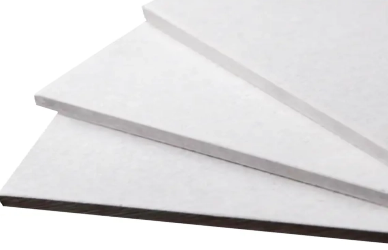
Cement board is a type of building material made from a combination of cement and reinforcing fibers, designed to provide a sturdy, moisture-resistant, and fireproof surface. It is primarily used in construction as a substrate for tile installations, particularly in areas exposed to high moisture, such as bathrooms, kitchens, and laundry rooms. Cement board is known for its exceptional durability, making it ideal for areas that require a solid, long-lasting foundation for tiles or other surface coverings.
Basic Cement Board
Basic cement board is the most common and economical type of cement board. It is typically used for general applications where moisture resistance and durability are essential. This type of cement board is widely used as a tile backer in areas such as dry walls, floors, and countertops.
Reinforced Cement Board
Reinforced cement board is designed to offer enhanced strength and stability. It features added materials such as fiberglass mesh or other reinforcement, making it ideal for heavy-duty applications or areas that may experience additional stress, such as outdoor installations or commercial spaces. This type of board can also provide increased resistance to cracking and impact.
Fire Resistance
One of the most significant benefits of cement board is its high fire resistance. It is non-combustible and can help slow the spread of fire, making it an ideal choice for areas that need extra protection from heat or fire hazards, such as kitchens or fireplace surrounds.
Waterproofing
Cement board is highly resistant to water, which makes it perfect for use in wet environments like bathrooms, shower stalls, and kitchens. Unlike traditional drywall, cement board will not deteriorate, warp, or mold when exposed to moisture, providing a long-lasting, stable base for tile installations.
Durability
The inherent strength of cement board makes it a durable material, capable of withstanding heavy loads and impacts. It is resistant to damage from common household issues, such as moisture, mold, and mildew. This durability extends the lifespan of the surfaces where it’s installed, making it a cost-effective solution in the long term.
When installing basic cement board, the question often arises: Can you simply screw it down? The answer is yes, but there are important considerations to ensure a secure and lasting result. While screwing down cement board is feasible, it's generally recommended to combine screws with other methods, such as adhesive, for better stability and durability.
Screws alone can secure cement board effectively, but they might not provide the strongest hold, especially in high-moisture areas. Combining screws with adhesive offers extra bonding strength and ensures a more durable installation.
Screws vs. Adhesives
Screws: They provide a solid hold, ensuring the board stays in place. However, screws alone might not fully seal joints or prevent moisture infiltration.
Adhesives: Using adhesive in conjunction with screws helps improve water resistance and creates a stronger bond, especially in wet environments.
Screws + Adhesive (Best Practice)
Combining screws with adhesive ensures better stability and moisture protection, especially in areas like bathrooms or kitchens.
Application Scenarios
Flooring: Screws alone are often sufficient, though adhesive provides added security.
Walls: For wet areas, both screws and adhesive are recommended for better adhesion and moisture resistance.
Ceilings: Ceiling installations benefit from both screws and adhesive for added support.
Screw Type and Size
Use cement board screws with a sharp tip, typically 1 1/4 to 1 5/8 inches long for wood studs and 1 1/4 inches for metal framing.
Fastener Spacing
Screws should be spaced 8 to 12 inches apart on the edges and 6 to 8 inches along the interior for even pressure distribution.
Supporting Materials
Ensure screws penetrate deep enough into wood or metal framing for a strong hold, using appropriate screws for each material.
While screwing down cement board is a common installation method, relying solely on screws can sometimes lead to instability and other issues. Here’s why using screws alone might not be enough to ensure a secure and durable installation.
Screws alone may not provide the level of stability needed for long-term performance, especially if they are not spaced properly or installed correctly. Without additional adhesive or sealant, there may be gaps or weak points between the cement board and the underlying structure. Over time, these weak points can lead to shifting or movement of the cement board, compromising the integrity of the surface.
In areas exposed to high moisture, such as bathrooms or kitchens, simply screwing down cement board may not be sufficient to prevent water from infiltrating the seams and joints. While cement board itself is moisture-resistant, the gaps between the board and the framing can allow moisture to seep through, potentially causing damage. Adhesives and joint sealants are essential in these environments to provide a more watertight seal and reduce the risk of mold and mildew growth behind the board.
Over-tightening Screws
One common mistake when installing cement board is over-tightening the screws. This can cause the cement board to crack or become damaged. It’s important to drive the screws just below the surface of the board, not too deep, to avoid compromising its structure.
Cracking the Board
Improper installation, such as using the wrong screw type or spacing, can lead to cracking of the cement board. Cracks can appear around the screws or along the seams if the board is not securely fastened or if the installation is too tight.
Proper installation of cement board is crucial for creating a stable, durable, and moisture-resistant surface. Here are key best practices to follow for the best results.
Use Screws and Adhesive
Combining screws with adhesive (e.g., thin-set mortar or cement board adhesive) enhances bonding, especially in wet areas. The adhesive ensures a more stable surface, while screws secure the board.
Proper Screw Spacing
Space screws 8 to 12 inches apart along the edges and 6 to 8 inches in the center. This helps distribute pressure evenly and prevents shifting.
Avoid Over-tightening Screws
Tighten screws just enough so the heads are slightly below the surface of the board, avoiding cracking or damaging the cement board.
Tools
Cement Board Screws: Use corrosion-resistant screws with a sharp tip for easy installation.
Power Drill or Screwdriver: For driving screws.
Utility Knife: For cutting cement board to size.
Materials
Cement Board: Choose the right type based on application (flooring, walls, etc.).
Joint Tape and Compound: To seal seams and prevent moisture infiltration.
Waterproofing Membrane (if needed): For wet areas like showers.
Seam Treatment
Use fiberglass mesh tape over seams and cover with thin-set mortar or joint compound to prevent cracks and moisture penetration.
Waterproofing
Apply a waterproofing membrane in wet areas, ensuring that all seams, corners, and edges are sealed to protect against moisture damage and mold growth.
It’s recommended to use rust-resistant screws, typically galvanized or stainless steel. Choose screws of appropriate length and diameter to ensure they anchor firmly into the underlying support material.
Yes, pre-drilling holes is important to prevent cracking the cement board. Use a drill bit of the correct size according to the screw type and size you’re using.
Yes, but you should ensure that the cement board is specifically designed for outdoor use, particularly for areas exposed to extreme weather conditions. Use moisture-resistant or waterproof cement board for better durability.
Use specialized cement board seam tape and joint compound to seal the seams. This will ensure that the joints are fully sealed and prevent moisture from seeping through.
In conclusion, while screwing down basic cement board can be an effective method for installation, it may not always provide the most secure or durable result when done alone. The primary advantage of using screws is their ability to quickly secure the board, but this method may lead to instability, especially in high-moisture environments or under heavy stress. To ensure long-lasting performance, it’s best to combine screws with adhesives and proper seam treatment. Adhering to proper installation techniques, including appropriate screw spacing and avoiding over-tightening, is essential for a solid and secure installation. Always follow the manufacturer’s instructions and use the right tools and materials for the job, such as cement board screws, adhesive, and waterproofing products, to ensure the best outcome and a stable, moisture-resistant surface.


