


Views: 0 Author: Site Editor Publish Time: 2025-08-21 Origin: Site


Basic Cement Board is a highly durable and versatile construction material widely used for bathroom walls. Its combination of cement, aggregates, and reinforcing fibers provides excellent stability, making it ideal for areas exposed to moisture and frequent use.
In bathrooms, choosing water-resistant and long-lasting wall materials is essential to prevent mold, warping, and deterioration caused by humidity. Basic Cement Board excels in these areas, offering superior moisture resistance, impact strength, and support for tiling or decorative finishes.
Using Basic Cement Board for bathroom walls ensures a reliable, low-maintenance solution that enhances both the durability and aesthetic appeal of your space, making it a preferred choice for homeowners and professionals alike.
Basic Cement Board is made from a blend of cement, carefully selected aggregates, and reinforcing fibers.
Cement provides structural integrity and rigidity.
Aggregates improve density and resistance to environmental stress.
Reinforcing fibers, such as glass or cellulose, prevent cracking and enhance flexibility, ensuring long-lasting performance, especially in high-moisture areas like bathrooms.
One of the key advantages of Basic Cement Board is its excellent resistance to water and humidity. Unlike gypsum board or plywood, it does not swell, warp, or degrade when exposed to moisture, making it ideal for bathroom walls, shower surrounds, and other wet areas.
Basic Cement Board also offers superior fire resistance, providing an added safety layer for bathroom walls. Its composition allows it to withstand high temperatures without losing structural integrity. Additionally, the fiber reinforcement improves impact resistance, reducing the risk of cracks or damage from daily use.
When compared to other commonly used wall materials:
Gypsum board is lightweight and easy to install but is vulnerable to moisture and mold.
Plywood offers moderate strength but can warp, swell, or rot in humid conditions.
Fiber cement board is similar in moisture resistance but may be less rigid than Basic Cement Board.
Overall, Basic Cement Board combines water resistance, durability, and strength, making it a superior choice for bathroom walls and other high-moisture environments.
Basic Cement Board is highly resistant to moisture, which makes it an effective barrier against mold and mildew growth. Unlike gypsum or plywood, it does not absorb water, preventing the development of fungi that can damage walls and compromise indoor air quality in bathrooms.
Bathrooms are exposed to constant humidity and occasional water splashes. Basic Cement Board maintains its structural integrity under these conditions, resisting warping, swelling, or degradation over time. Its long-term durability ensures that walls remain strong and reliable for many years, reducing the need for frequent repairs.
With its rigid and stable surface, Basic Cement Board provides an ideal substrate for tiling, stone, or other decorative finishes. It ensures proper adhesion, minimizes the risk of cracking, and supports heavy finishes without compromising the wall’s structural strength.
Although slightly more expensive upfront than gypsum board, Basic Cement Board proves cost-effective in the long run due to its durability and low maintenance requirements. It reduces repair and replacement costs, making it a practical and reliable choice for bathroom construction projects.
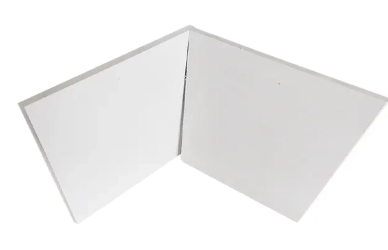
Before installation, ensure that bathroom walls are clean, dry, and structurally sound. Remove any old materials, debris, or loose plaster to create a smooth and stable surface for Basic Cement Board.
Measure and cut Basic Cement Board panels to fit wall dimensions accurately. Use a carbide-tipped scoring knife or saw for precise cuts. Fix the panels securely to wall studs using corrosion-resistant screws, keeping joints tight but not overly compressed.
Apply waterproof tape or sealant to all joints, edges, and corners to prevent water infiltration. Proper sealing is essential to maintain the board’s moisture-resistant properties and protect underlying structures.
Common tools and materials for installing Basic Cement Board include:
Tape measure and pencil for marking
Carpenter’s level for alignment
Saw or scoring knife for cutting
Corrosion-resistant screws and drill
Waterproof tape or sealant for joints
Safety gear such as gloves and goggles
Incorrect handling or cutting of Basic Cement Board can cause cracks, chips, or uneven edges. Always measure carefully and use proper cutting tools, such as a carbide-tipped scoring knife or saw, to ensure precise cuts and prevent damage during installation.
Failing to properly seal joints and edges compromises the board’s water-resistant properties. Apply waterproof tape or sealant to all seams, corners, and cut edges to prevent moisture infiltration and protect underlying structures.
Using too many heavy tiles or improperly fastening the board can reduce its stability and increase the risk of cracks or wall failure. Secure panels correctly with corrosion-resistant screws and avoid exceeding the board’s recommended load capacity.
Every Basic Cement Board product may have specific installation guidelines. Ignoring these instructions can lead to reduced performance, water damage, or voided warranties. Always follow the manufacturer’s recommendations for cutting, fastening, and sealing.
Basic Cement Board is especially suitable for high-moisture bathroom areas, including shower walls, bathtub surrounds, and vanity backsplashes. Its water-resistant and durable properties make it reliable for protecting underlying structures from humidity and water damage.
For both functionality and aesthetics, Basic Cement Board can be paired with tiles, natural stone, or waterproof decorative panels. This combination ensures a durable, easy-to-clean surface while providing flexibility in bathroom design and finishes.
Modern bathroom designs often emphasize durability without sacrificing style. Basic Cement Board allows for sleek, contemporary layouts, minimalist finishes, and creative tiling patterns. Its strength supports large-format tiles, heavy stone panels, and integrated shower niches, offering both practicality and design versatility.
Basic Cement Board offers outstanding benefits for bathroom walls, combining superior water resistance, long-lasting durability, and excellent support for tiling and decorative finishes. Its robust properties make it an ideal choice for high-moisture environments, such as showers, bathtubs, and vanity backsplashes, ensuring that walls remain strong, safe, and visually appealing for many years.
In addition to its performance advantages, Basic Cement Board simplifies maintenance, reduces the risk of mold and mildew, and supports a variety of finishes, from ceramic tiles to natural stone. For homeowners, contractors, and designers, using this material can enhance both functionality and aesthetics in modern bathroom projects.


