


Views: 0 Author: Site Editor Publish Time: 2025-12-24 Origin: Site


Board and batten cement siding is a popular and stylish option in modern construction and renovation, known for its sleek, vertical design and exceptional durability. This type of siding combines the classic aesthetic of board and batten with the strength and low maintenance benefits of cement-based materials. As homeowners and builders increasingly seek long-lasting and weather-resistant alternatives to traditional siding, board and batten cement siding has gained popularity for its ability to withstand the elements while providing a visually appealing exterior. In this article, we will explore the cost factors associated with board and batten cement siding, including material, installation, and long-term value, to help homeowners make an informed decision when considering this siding option for their projects.
Board and batten siding is a traditional design that features wide boards with narrower strips (called "battens") covering the seams between the boards. This design creates a vertical pattern, giving the exterior a sleek, modern look while maintaining a classic aesthetic. Originally, board and batten siding was made from wood, but today, it is commonly found in cement board form, offering enhanced durability and low maintenance compared to traditional wood.
Cement Board
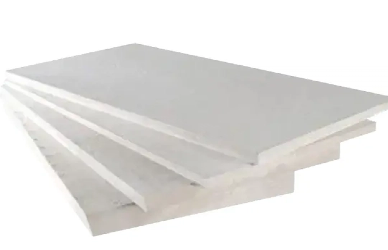
Cement board is a sturdy, moisture-resistant material commonly used in exterior applications. It is made from a combination of cement and reinforcing fibers, offering excellent durability, fire resistance, and protection against the elements. Cement board is ideal for board and batten siding because it is highly resistant to rot, mold, and termites, unlike wood siding.
Batten Strips
The battens are narrow strips of cement or other materials that cover the seams between the wider boards. They are placed vertically, creating the distinct board-and-batten pattern. These strips help provide a clean, modern finish while also adding structural support.
Aesthetic Appeal
Board and batten cement siding offers a striking, contemporary look with a touch of traditional charm. The vertical lines of the boards create a sense of height, making the home appear larger and more imposing. The clean lines and simple, yet bold design make it suitable for both modern and rustic architectural styles.
Durability and Low Maintenance
One of the main advantages of board and batten cement siding is its durability. Unlike wood siding, which can warp, rot, or require frequent painting, cement board siding resists the damaging effects of moisture, mold, and insects. It requires far less maintenance over time, making it an ideal choice for homeowners looking for a long-term, hassle-free solution.
Energy Efficiency
Cement board siding can also contribute to better energy efficiency in a home. Its density helps insulate the home, potentially lowering heating and cooling costs.
The cost of board and batten cement siding is influenced by material prices, installation methods, and additional costs for tools or materials. Here’s a breakdown of the key factors.
Cement Board and Batten Strips
Cement board typically costs between $4 and $8 per square foot for basic options, while premium boards can range from $8 to $12 per square foot. Batten strips generally cost $2 to $6 per linear foot, depending on the material and quality.
Basic vs. Premium Cement Boards
Basic cement boards are more affordable, while premium boards offer additional features like enhanced fire resistance or moisture protection, often costing 25%-50% more than basic options.
Labor for Professional Installation
Hiring a contractor can add $5 to $12 per square foot for labor, depending on location and complexity. This typically covers measuring, cutting, and securing the boards, as well as sealing and finishing.
DIY vs. Hiring a Contractor
DIY projects can save labor costs but require tools, time, and skill. If unsure, hiring a contractor ensures a professional finish and can prevent costly mistakes.
Tools and Equipment (for DIY)
Key tools include a power drill, utility knife, saw, measuring tape, and ladders. If not already available, these add to the overall project cost.
Additional Materials
Adhesives: Specialized adhesives may cost $20 to $40 per bucket.
Sealants: For moisture resistance, $5 to $10 per tube.
Fasteners: High-quality screws for cement board typically cost $10 to $30 per box.
Understanding the cost of board and batten cement siding involves considering material costs, installation labor, and total project expenses. Here's a detailed breakdown:
Cement Board Siding (Basic vs. Premium)
Basic Cement Board: The cost typically ranges from $4 to $8 per square foot for standard options.
Premium Cement Board: Higher-end boards with enhanced features (like better moisture resistance or added durability) generally cost $8 to $12 per square foot.
Batten Strips
Batten strips, used to cover the seams between the boards, cost around $2 to $6 per linear foot depending on the material and quality.
Typical Labor Charges for Installation
Professional installation of board and batten cement siding generally costs between $5 to $12 per square foot, depending on the complexity of the project and the region. This price includes measuring, cutting, securing the boards, and finishing work such as sealing and joint treatment.
Cost Estimation for a Typical Home
For a 1,500 sq. ft. house, the total cost of board and batten cement siding can vary based on material choices and labor rates. Here’s an estimate for a typical home:
Material Costs:
Basic Cement Board: 1,500 sq. ft. x $6 (average cost) = $9,000
Premium Cement Board: 1,500 sq. ft. x $10 (average cost) = $15,000
Batten Strips: Assuming 200 linear feet needed at $4 per foot = $800
Labor Costs:
Basic Installation: 1,500 sq. ft. x $8 (average labor cost) = $12,000
Premium Installation: 1,500 sq. ft. x $10 (average labor cost) = $15,000
Total Project Cost:
Basic Material + Labor: $9,000 (materials) + $12,000 (labor) = $21,000
Premium Material + Labor: $15,000 (materials) + $15,000 (labor) = $30,000
Board and batten cement siding offers excellent long-term value, making it a solid investment for homeowners. Here’s why it’s worth considering:
Cement board siding is highly durable, resistant to moisture, rot, and pests. Unlike wood siding, it doesn’t require frequent maintenance such as painting or sealing, and it can last 50 years or more. Cement siding also holds up well against extreme weather conditions, offering long-term protection without fading, cracking, or warping.
Wood Siding
While aesthetically appealing, wood siding requires regular maintenance to prevent rot, termites, and weather damage. Over time, the cost of upkeep can add up, and its lifespan is shorter than cement siding.
Vinyl Siding
Vinyl is cheaper but prone to fading, cracking, and warping, especially in extreme temperatures. It also offers less insulation and fire resistance compared to cement siding.
Cement Siding vs. Other Materials
Cement siding stands out for its weather resistance, energy efficiency, and long lifespan. It may cost more initially but requires less maintenance, making it more cost-effective in the long run.
Although board and batten cement siding has a higher upfront cost than vinyl or wood, it provides significant savings over time with its durability and low maintenance. Homes with cement siding often see better curb appeal and increased property value, offering a strong return on investment.
Board and batten cement siding tends to be more expensive than vinyl or wood siding upfront but offers better durability and lower maintenance costs in the long run.
Yes, it’s possible to install board and batten cement siding as a DIY project, though it requires the right tools and expertise to ensure proper installation, especially for sealing and finishing.
Cement siding is low-maintenance. It doesn’t require frequent painting or sealing like wood, but periodic cleaning and inspections for cracks or damage are recommended.
Yes, because it’s durable, low-maintenance, and visually appealing, board and batten cement siding can increase a home’s curb appeal and resale value, especially in markets where exterior aesthetics are important.
In conclusion, the cost of board and batten cement siding is influenced by several key factors, including the price of materials (basic vs. premium cement boards), labor costs for installation, and additional materials like adhesives and sealants. While the initial investment can be higher compared to other siding options such as wood or vinyl, it’s essential to consider the long-term benefits of cement siding. With its durability, minimal maintenance requirements, and resistance to weather, pests, and fire, cement siding offers a strong return on investment. When evaluating the cost, homeowners should weigh these long-term savings and increased property value against the upfront costs. Ultimately, making an informed decision involves balancing both the immediate expenses and the lasting advantages of board and batten cement siding.


