


Views: 0 Author: Site Editor Publish Time: 2025-12-29 Origin: Site


Cement sheets, also known as cement boards, are a versatile and durable building material commonly used in construction and renovation projects. Made from a combination of cement, fibers, and other reinforcing agents, these sheets are ideal for applications such as flooring, wall backing, and exterior cladding. They offer excellent resistance to moisture, fire, and impact, making them a popular choice for areas like bathrooms, kitchens, and high-traffic zones. Understanding the standard size of cement sheets is crucial for proper installation, as it helps ensure accurate measurements, reduces waste, and facilitates a smoother installation process. Using the correct sheet size can also help calculate material needs and determine the most cost-effective approach for a project.
A cement sheet, often referred to as cement board, is a building material made primarily of cement, reinforced with fibers or other materials to increase its strength and durability. It is typically used as a substrate for tiling, flooring, or siding, offering a solid and stable base in areas that require resistance to moisture, fire, and physical impact.
Cement sheets are made from a combination of the following materials:
Cement: The primary ingredient, providing strength and resistance to fire and moisture.
Fiberglass: Often used to reinforce the cement and provide additional durability and flexibility.
Reinforcing Agents: These may include organic or inorganic materials like cellulose fibers, silica, or other additives that enhance the board’s performance, such as improving resistance to cracking and moisture damage.
Cement sheets are widely used in construction due to their versatility and durability. Common applications include:
Siding: Cement boards are used as exterior siding materials, offering a durable, weather-resistant surface that is often used in areas prone to moisture or extreme weather conditions.
Flooring: Cement sheets are used as backer boards for tile installations in areas like kitchens and bathrooms. They provide a stable, water-resistant surface that prevents issues like warping or mold growth.
Backer Boards: Cement boards are used behind tiles in wet areas (e.g., showers, tubs, and countertops), where moisture resistance and structural integrity are critical.
Cement sheets come in various sizes and thicknesses depending on the intended application. Understanding these standard dimensions is important to ensure proper installation and efficient use of materials.
The most common dimensions for cement sheets are:
4 feet by 8 feet: This is the standard size for most cement boards used in residential and commercial applications, particularly for wall and floor installations.
4 feet by 10 feet: A slightly larger option, often used for bigger projects or areas that require fewer seams.
These sizes are designed for ease of handling and to fit standard framing and construction methods. However, custom sizes can be made for specific projects, though they are less common.
Cement sheets also come in varying thicknesses, depending on the specific needs of the project:
1/4 inch: A thinner option, usually used for lighter applications such as wall backing or as a tile underlayment for low-traffic areas.
1/2 inch: One of the most commonly used thicknesses, ideal for most flooring applications, including under tile or stone, and used for wall installations in dry or moderately wet areas.
5/8 inch: This thicker option provides added strength and durability, commonly used in high-traffic areas or for exterior applications, such as siding.
There are also differences in size and material composition based on the type of cement sheet:
Cement Board: Typically used as a base for tiles or flooring, cement boards are made of compressed cement and fibers, available in standard dimensions like 4' x 8' and 4' x 10'. They are available in various thicknesses, depending on the application.
Cement Fiberboard: Made with cement and reinforced fibers like cellulose or fiberglass, cement fiberboard is often used for exterior siding, roofing, or wall panels. It may come in larger or custom sizes and is generally available in similar thickness options, though it’s often lighter than traditional cement boards.
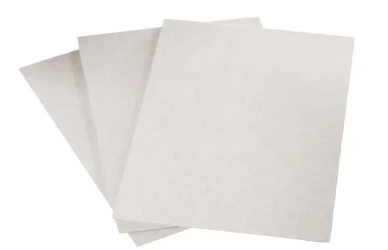
The size of cement sheets can vary based on several factors, including the manufacturer, the specific application, and the type of cement sheet used. Understanding these variations is essential for ensuring that the correct materials are chosen for your project.
Different manufacturers may produce cement sheets in slightly different sizes based on their product lines and specific market demands. Standard sizes like 4 feet by 8 feet and 4 feet by 10 feet are the most common, but some manufacturers may offer variations in these dimensions, especially if they cater to niche markets or specialized needs. Additionally, the type of project can influence the size of the sheets needed:
Residential Projects: Typically use standard-sized cement boards for wall backing, flooring, or as backer boards for tile installations.
Commercial Projects: Often require larger panels to cover expansive areas quickly, which can lead to custom-sized sheets or larger panels that minimize the number of seams and reduce installation time.
For certain projects, especially in commercial or industrial settings, custom-sized cement sheets may be required. These sheets can be tailored to specific dimensions to suit unique architectural requirements or to fit large, open spaces. Custom cutting is often done for special projects, such as:
Larger Panels: Larger panels (for instance, 4 feet by 12 feet or more) can be used for commercial buildings or applications where fewer seams are desired.
Custom Cuts: Cement boards can also be cut on-site or by the manufacturer to accommodate specific measurements needed for a project, such as around windows, doors, or other architectural features.
Different types of cement sheets may come in sizes tailored for specific applications:
Backer Boards: Cement backer boards, used behind tiles or flooring, typically come in standard sizes (like 3 feet by 5 feet or 4 feet by 8 feet) to suit common installation methods. The thickness of these boards may also vary, with typical options being 1/4 inch or 1/2 inch for residential use.
Wallboards and Siding: Cement wallboards, especially used for exterior cladding or siding, may be available in larger sheets to cover more surface area. These sheets may come in sizes like 4 feet by 10 feet or even custom lengths depending on the project requirements.
The size of cement sheets significantly impacts the efficiency of installation, material calculations, and overall costs. Here's why it matters:
Standard cement sheet sizes, such as 4 feet by 8 feet or 4 feet by 10 feet, simplify the installation process. These sizes fit standard framing, reducing the need for custom cutting and ensuring a quicker, smoother installation. Larger panels also cover more area, speeding up the process, especially in larger or commercial projects.
Accurate material calculation is key to avoiding waste and shortages. For example, if you’re covering 320 square feet using 4 feet by 8 feet sheets (32 square feet each), you would need 10 sheets. For larger or custom sizes, you’ll need to recalculate based on the sheet dimensions to ensure the right amount of material.
Standard sizes are often cheaper due to mass production, while custom or larger sheets can be more expensive. Larger sheets may reduce material costs but increase labor costs if they are harder to handle or require special equipment. It’s important to weigh these factors when selecting sheet sizes for a project.
Yes, cement sheets are available in different sizes, such as 4 feet by 10 feet, or even larger panels for specific commercial uses.
For flooring, a thicker cement sheet (typically 1/2 inch to 5/8 inch) is recommended to provide the necessary strength and durability.
Yes, cement sheets can be cut to custom sizes using the appropriate tools, such as a circular saw with a diamond blade.
Yes, there may be slight variations in size depending on the manufacturer, so it’s important to check the specifications before purchasing.
In conclusion, understanding the standard sizes of cement sheets, such as 4 feet by 8 feet and 4 feet by 10 feet, is crucial for efficient construction and renovation. These sizes are designed to fit standard framing, making installation easier, reducing waste, and speeding up the process. Choosing the right size depends on the specific requirements of the project, such as the area to be covered, material needs, and the complexity of installation. Larger panels may reduce the number of seams and speed up the job, but they can also increase labor costs. Ultimately, selecting the appropriate cement sheet size based on the project type and budget ensures material efficiency, cost-effectiveness, and a smoother installation process.


