


Views: 0 Author: Site Editor Publish Time: 2026-06-30 Origin: Site


Traditional wall finishing often brings frustrating delays. Rising labor expenses and extended project timelines plague modern construction. Quality-control inconsistencies during painting, wallpapering, or staining frequently lead to subpar results. You need a better way to finish spaces quickly. Enter the Pre Coated Board. This specialized, factory-finished solution completely eliminates on-site wet work. It accelerates project handover while ensuring a flawless look. Contractors, designers, and homeowners increasingly rely on this advanced interior wall panel. In this guide, we provide an objective evaluation of these materials. You will discover how their durability and installation realities compare to traditional wall treatments. We will explore key performance metrics, mounting methods, and common implementation mistakes to avoid. Ultimately, you will learn exactly how to choose the right paneling system for your next interior upgrade.
Speed to Completion: Factory-applied finishes eliminate curing times, cutting interior wall decoration schedules by up to 50%.
Predictable Quality: Industrial coating processes ensure zero color variance, dust trapping, or brush marks compared to on-site applications.
Cost-Efficiency: The reduction in specialized labor and minimal prep work significantly lowers overall project resource demands.
Performance: Advanced surface treatments offer superior resistance to scratches, fading, and moisture compared to standard paint or wallpaper.
On-site finishing relies heavily on manual labor. Multiple trades must coordinate sequentially. Drywall installers, tapers, and painters all require dedicated time and space. You must factor in priming, sanding, and extended drying times. Site protection also demands significant effort. Workers must mask floors, cover furniture, and tape edges. These necessary steps consume valuable days and delay project completion.
In contrast, a pre coated interior wall panel requires only a single-step installation. You bypass the messy wet work entirely. Teams mount the finished panels directly to the framing or substrate. This streamlined approach slashes labor requirements and reduces scheduling conflicts among different trades.
Project Workflow Comparison Chart | ||
Phase | Traditional Paint/Wallpaper | Pre Coated Board |
|---|---|---|
Preparation | Extensive masking, taping, and floor protection. | Minimal area clearing required. |
Application | Multiple coats, sanding, and smoothing. | Direct mounting of finished panels. |
Curing Time | 24 to 72 hours between specific coats. | Zero curing time needed. |
Cleanup | Chemical disposal, dust removal, unmasking. | Simple sweep and debris removal. |
Factory-controlled environments guarantee exceptional quality control. Temperature and humidity remain strictly regulated during manufacturing. These dust-free zones ensure uniform panel thickness and consistent color. They guarantee perfect adhesion of the topcoat. You remove human error from the aesthetic outcome. On-site applications often suffer from trapped dust or uneven brush marks. Factory processing eliminates these visual defects completely.
Site disruption drops dramatically during installation. Dry installation means no chemical smells permeate the building. You avoid off-gassing delays entirely. Occupants can use the space immediately after the crew finishes mounting the panels. This immediate occupancy provides massive operational relief for residential and commercial spaces alike.
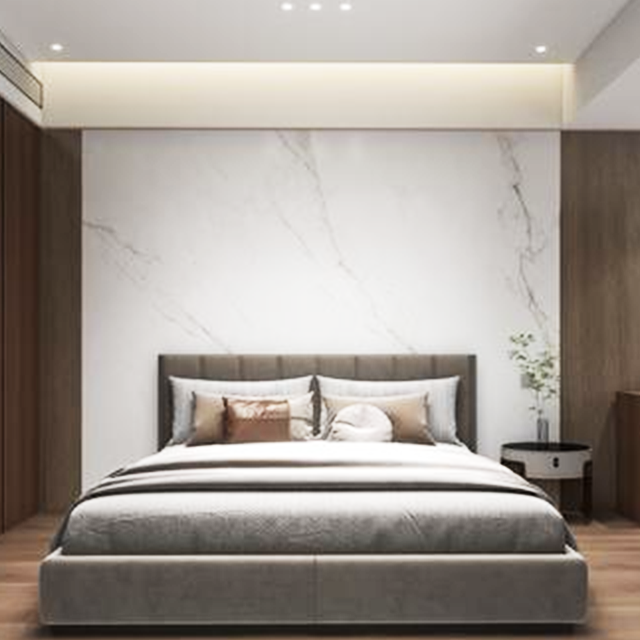
Surface durability defines the lifecycle of your walls. Commercial coatings transform standard substrates into highly resilient surfaces. Melamine resins resist heavy abrasion. UV-cured acrylics prevent fading from prolonged sunlight exposure. PVC films offer excellent impact resistance. These advanced treatments ensure the surface withstands daily wear and tear effortlessly.
Moisture and thermal stability also play vital roles. A stable core, like Medium Density Fiberboard (MDF) or High Density Fiberboard (HDF), provides strong structural integrity. The factory seals the decorative surface completely. This sealed barrier prevents moisture intrusion. It stops the board from warping or swelling during seasonal humidity changes.
Aesthetic versatility remains a massive advantage. You can achieve nearly any visual style. Popular panel finishes include:
Wood Grains: Highly realistic textures mimicking oak, walnut, or maple without the intense maintenance of natural timber.
Matte Solid Colors: Smooth, non-reflective surfaces perfect for modern, minimalist architectural designs.
Metallic Finishes: Industrial tones offering a sleek, contemporary edge for feature walls.
Stone Textures: Authentic-looking marble or concrete effects at a fraction of the weight and structural load.
These finishes perform exceptionally well visually. They often surpass natural equivalents in consistency and longevity across large surface areas.
Compliance and safety certifications guarantee peace of mind. Always verify fire-retardant ratings before specifying a product. Class A or B ratings remain essential for commercial corridors and public assembly spaces. Eco-certifications also matter deeply. Look for low formaldehyde emissions to ensure healthy indoor air quality. Specify FSC-certified cores to support responsible forestry practices and sustainable building initiatives.
You must weigh maintenance frequency when comparing a Pre Coated Board to standard paint. Paint chips easily upon impact. It suffers from scuffs in high-traffic hallways. Cleaning painted walls often degrades the finish over time, revealing the primer beneath. Factory-coated panels wipe clean effortlessly. They resist blunt impacts gracefully. You rarely need to repaint or touch up these robust surfaces.
Wallpaper presents a different set of aesthetic challenges. Wallpaper edges frequently peel after just a few years. Moisture damages the paper fibers, causing bubbling and unsightly stains. Preparing a sub-wall for wallpaper demands absolute perfection. Any minor bump or crack telecasts straight through the thin paper. Conversely, coated boards offer structural rigidity. They bridge minor wall imperfections easily. They ignore ambient humidity, preventing the peeling issues common to wallpapered rooms.
Raw wood and unfinished MDF demand exhausting upkeep. You must acclimatize raw materials on-site for days before installation. They require ongoing sealing, priming, and staining to prevent rot or discoloration. A pre-finished panel offers an install-and-forget solution. The factory handles the intensive sealing process under perfect conditions. You avoid the messy, continuous maintenance loop associated with raw timber installations.
Proper substrate preparation dictates the final look of your walls. You must understand the required level of wall flatness. Direct adhesive application needs a relatively plumb surface. If the legacy wall bows significantly, you should install furring strips. A batten system creates a perfectly flat framework. It allows beneficial air circulation behind the panels and hides highly uneven legacy walls perfectly.
Mounting systems vary based on project scale and design intent. Interlocking tongue-and-groove systems work beautifully for continuous, seamless looks. They install rapidly using hidden brad nails. Aluminum extrusions provide a modern, segmented aesthetic. They frame the panels robustly and allow for easy individual replacement. Z-clips suit heavy, large-format panels perfectly. They offer secure, invisible hanging capabilities. Construction adhesive works well for smaller residential updates but makes future removal quite difficult.
Managing seams, joints, and edges requires deliberate design choices. You cannot simply butt raw edges together without planning. Instead, intentionally design shadow gaps to create architectural interest. Utilize matching edge banding for a monolithic, solid block appearance. Select specific metal or vinyl trim profiles to handle inside and outside corners cleanly.
Avoid common installation pitfalls to ensure success. Follow this crucial implementation checklist:
Improper Acclimatization: Failing to let panels adjust to room temperature for 48 hours causes post-installation warping. Always let materials sit in the installation room beforehand.
Incorrect Blade Selection: Using standard carpentry blades causes severe edge chipping. Always use a track saw equipped with a fine-tooth finishing blade.
Ignoring Expansion Gaps: Refusing to leave perimeter gaps causes structural buckling. Panels naturally expand and contract slightly over time.
Inadequate Substrate Fastening: Relying solely on adhesive over dusty walls leads to panel detachment. Always secure panels mechanically using clips or hidden nails when possible.
Selecting the perfect panel requires matching the core material to the room's primary function. Standard MDF works flawlessly in dry living spaces or bedrooms. Kitchens, bathrooms, and basements demand moisture-resistant cores. Media rooms and busy offices benefit greatly from acoustic backing. Choose your substrate strictly based on the specific environmental demands of the space.
Finish selection depends entirely on expected traffic levels. Matte finishes look stunning but might show fingerprints in high-touch zones. Glossy or highly textured surfaces hide smudges much better. Specify high-pressure laminates (HPL) over standard PVC films for heavy commercial use. HPL withstands aggressive cleaning routines and constant physical contact without degrading.
Evaluating suppliers forms the final crucial step. Do not rely solely on digital catalogs or rendered images. Request physical samples to verify the texture and sheen under your actual lighting conditions. Check for batch consistency guarantees. Ask manufacturers how they handle large orders to ensure perfect color matching. Finally, scrutinize warranty exclusions carefully. Understand exactly what environmental conditions might void your coverage.
Core Material Selection Guide | ||
Room Environment | Recommended Core Material | Key Benefit |
|---|---|---|
Living Rooms & Bedrooms | Standard MDF / HDF | Cost-effective, structurally stable, and highly smooth. |
Kitchens & Mudrooms | Moisture-Resistant MDF | Prevents swelling from ambient cooking humidity. |
Home Theaters & Offices | Acoustic-Backed Panels | Absorbs sound effectively and reduces room echo. |
Commercial Corridors | Fire-Rated Substrates (Class A) | Meets strict building safety codes easily. |
A Pre Coated Board stands as a highly rationalized solution for modern interiors. It easily outperforms traditional finishing methods in demanding environments. Projects prioritizing speed, superior durability, and a flawless finish benefit immensely from this paneling approach. You eliminate messy site disruptions while guaranteeing a premium, long-lasting aesthetic.
Take immediate action to integrate these panels into your upcoming builds. Map your room's square footage accurately to determine precise material requirements. Request physical texture samples from your supplier to ensure the design perfectly aligns with your vision. Consult directly with technical representatives to finalize your best mounting strategy. Embracing factory-finished panels will streamline your workflow completely and elevate your interior spaces dramatically.
A: Yes, but you must select the appropriate core material. Standard MDF will swell if exposed to heavy moisture. You need specifically rated waterproof boards, such as those utilizing PVC or moisture-resistant fiberboard cores. Always seal the outer edges properly during installation to prevent water ingress behind the panel.
A: Unlike standard paint, you cannot simply patch and sand a deep scratch. Minor surface scuffs might buff out, but deep gouges usually require physical replacement of the affected panel. This reality highlights the importance of using modular mounting systems, like aluminum extrusions or z-clips, for easy swapping.
A: You generally use standard woodworking tools. However, precision matters immensely. You need a high-quality track saw equipped with a fine-tooth blade to prevent the decorative surface from chipping. Standard leveling equipment, a reliable stud finder, and a pneumatic brad nailer handle most installation scenarios effectively.
A: Yes, but rarely through direct adhesive application. Existing legacy walls like tile or brick are often uneven. You must install a batten system or wooden furring strips first. This framework creates a plumb, level surface to mount the boards securely while allowing necessary airflow behind the panels.


