


Views: 0 Author: Site Editor Publish Time: 2026-07-02 Origin: Site


Selecting the ideal substrate determines whether a project succeeds or fails entirely. A suitable choice withstands environmental stress perfectly over time. An incorrect choice fails miserably on the production floor or retail shelf. Procurement teams and project managers face a significant challenge daily. You must look past surface-level specifications like standard basis weight. You need to understand chemical compatibility, structural integrity, and moisture resistance thoroughly. Ignoring these critical factors leads to structural collapse or complete ink rejection.
This guide provides an evidence-based framework for your material evaluation process. You will learn how to shortlist and select the optimal substrate for commercial or packaging applications. We explore how to match coating types directly to environmental lifecycles reliably. You will discover proven methods to validate vendor claims using strict testing protocols. We analyze various options from standard aqueous finishes to highly specialized barriers. Implementing these specific strategies ensures reliable performance and superior final products.
Identify primary failure risks (e.g., moisture, structural load, ink adhesion) before reviewing supplier catalogs.
Match the coating type—ranging from clay and aqueous to specialized waterproof coated board—directly to the project's environmental lifecycle.
Evaluate substrates based on runnability, scoring/folding tolerances, and long-term durability, not just unit cost.
Always require die-line prototyping and blank testing to validate vendor claims before committing to high-volume minimum order quantities (MOQs).
Before reviewing manufacturer catalogs, you must establish strict performance baselines. We categorize these essential criteria into four distinct operational areas. Proper planning here prevents catastrophic failures during final assembly.
First, assess the exact physical conditions the final product will endure. Will the item face high humidity, direct liquid contact, or intense UV exposure? You must define the precise durability window in days, months, or years. An indoor retail display demands vastly different protection compared to outdoor signage. High-moisture environments attack paper fibers rapidly and aggressively. Selecting a highly resilient Pre Coated Board ensures optimal performance across harsh environments. You must guarantee the barrier layer matches the anticipated humidity levels.
Next, determine the exact physical load the board must support daily. Many buyers mistakenly assume thicker calipers automatically equal higher rigidity. This assumption remains inherently dangerous and factually incorrect. If the inner core material utilizes short, weak fibers, a thick board will easily buckle under pressure. You must evaluate the density and fiber quality of the base stock carefully. Structural engineers often measure edge crush test (ECT) values to verify true material strength.
You need to map out your intended printing process clearly and early. Offset, digital, and flexographic presses interact very differently across various surfaces. High-fidelity graphics require exceptional coating smoothness and highly specific holdout capabilities. If the surface absorbs too much ink, images appear muddy and dull. Conversely, if the coating repels ink entirely, the graphics will smear. You must balance aesthetic desires against the strict reality of press capabilities.
Finally, identify all non-negotiable certifications early in your planning phase. Your specific project might require FSC certification for sustainable forestry sourcing. Direct food contact applications demand strict FDA compliance and rigorous safety testing. You also need to verify recyclability standards based on local municipal regulations. Consumer demand for sustainable packaging continues to drive these compliance requirements upward globally.
The current market offers several highly distinct coating technologies. Each unique solution serves specific operational lifecycles and environmental challenges. You must align the material chemistry directly to your structural needs.
This category utilizes a heavily recycled core topped by a thin clay layer.
Best for: Dry-goods packaging, standard indoor retail displays, and lightweight consumer goods.
Trade-offs: It remains highly susceptible to aggressive moisture degradation. High ambient humidity causes the material to warp, swell, and lose structural strength rapidly.
These substrates feature an extruded plastic polymer layer melted over the base paper.
Best for: Food service applications, freezer-grade packaging, and high-moisture transit environments.
Trade-offs: They provide excellent barrier protection against liquid penetration. However, the fused plastic laminate presents severe processing challenges for traditional recycling streams.
Manufacturers apply these specialized liquid coatings during or immediately after the initial printing process.
Best for: High-end cosmetics, premium retail signage, and highly scuff-resistant packaging.
Trade-offs: They offer high gloss and superior visual aesthetic appeal. However, you must use highly specific ink chemistries to prevent smudging and adhesion failure.
These engineered options fuse advanced chemical barrier layers to exceptionally robust inner cores.
Best for: Outdoor agricultural signage, heavy-duty industrial packaging, and long-term structural displays.
Trade-offs: It severely limits post-consumer recyclability depending heavily on the core-to-coating bonding agent. Choosing a highly durable waterproof coated board guarantees maximum longevity during extended outdoor use. It strongly resists warping even during direct rain exposure.
Material Category | Ideal Use Case | Primary Core Strength | Main Vulnerability |
|---|---|---|---|
CCNB / Kraftback | Dry-goods & indoor retail | Highly cost-effective | Moisture warping |
PE / PET Laminates | Freezer & food service | Liquid barrier | Poor recyclability |
Aqueous / UV Finishes | Cosmetics & premium boxes | Scuff resistance | Ink smudging risks |
Specialty Waterproof | Outdoor & heavy industrial | Extreme durability | Recycling constraints |
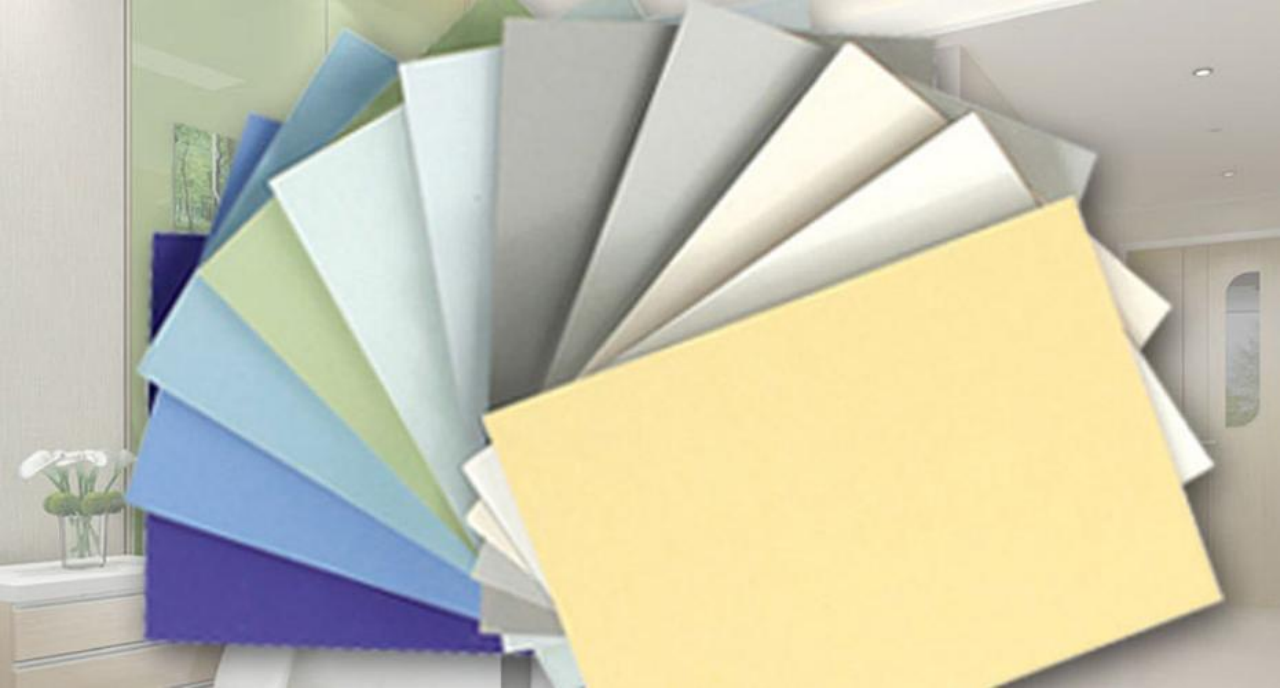
Look beyond basic marketing specifications when comparing various supplier samples. True material performance relies heavily on physical tolerances and chemical consistency. We recommend utilizing TAPPI (Technical Association of the Pulp and Paper Industry) testing frameworks wherever possible.
Inconsistent coating weight creates massive, unpredictable production headaches. Thin spots across the sheet lead to patchy ink absorption and visual defects. Uneven applications also create hidden structural weak points across the entire web. You must demand strict tolerance specifications from all prospective suppliers. Verify these exact metrics before authorizing any large-scale production runs.
Heavily treated surfaces often aggressively resist standard water-based adhesives. The chemical barrier repels the glue, causing carton flaps to pop open over time. You need to evaluate whether the board requires specialized surface treatments beforehand. Many conversion facilities use inline corona treatment to improve material surface tension dynamically. Alternatively, you might need to specify aggressive, high-tack synthetic glues for final assembly.
Rigid barrier layers frequently crack directly along the primary fold line. This damage exposes the raw, vulnerable paper core underneath to ambient moisture. You must evaluate the board’s directional grain prior to digital layout. You also need to test the elasticity of the pre-applied coating thoroughly. Properly engineered substrates fold cleanly without flaking, dusting, or tearing.
Many structural designers fail to align the primary carton folds parallel to the paper grain. This oversight guarantees jagged edges and vastly compromised structural integrity. The paper fibers naturally want to bend in one specific direction. Forcing them to bend perpendicularly causes micro-fractures in the protective surface layer. Always confirm the machine grain orientation before generating your final die-line files.
Pristine laboratory tests rarely replicate the total chaos of an active production floor. Real-world physical variables constantly threaten overall material performance. We highlight the most common failure points and mitigations below.
Delamination involves the complete, catastrophic separation of the coating from the base board. This failure typically occurs under severe physical stress or rapid ambient temperature shifts. When the bond fails, the graphic layer literally peels away.
Mitigation: You should always request historical stress-test data from the manufacturer directly. Demand scientific evidence showing how the material performs under extreme thermal cycling scenarios.
Boards warp dramatically when moisture imbalances occur between the front and back sides. A heavily sealed top layer traps internal moisture aggressively. Meanwhile, an uncoated back side absorbs fluctuating ambient humidity from the warehouse air.
Mitigation: Ensure strict, climate-controlled transit and storage protocols exist. You must embed these precise environmental handling requirements directly into your legal supplier agreement.
Certain heavy barrier films drastically increase mandatory ink drying times. The non-porous chemical surface forces the ink to sit on top rather than absorb. This delay forces operators to slow the press down significantly.
Mitigation: Consult your press operators early regarding heating equipment compatibility. You must determine if your existing IR heaters or UV curing lamps possess sufficient power.
Batch-to-batch variance in raw materials ruins long-term corporate brand consistency. A board might run perfectly today but fail miserably during next month's run. Variations in fiber length or coating mix cause unpredictable outcomes.
Mitigation: Lock in strict, enforceable Service Level Agreements (SLAs). Specify the exact raw material origin clearly. Establish acceptable variance thresholds for surface brightness, opacity, and overall caliper.
Trusting glossy marketing brochures remains a highly dangerous procurement strategy. You need a rigorous, objective verification process to protect your upcoming project. Follow this exact testing sequence to eliminate inferior products quickly.
Step 1: Request Technical Data Sheets (TDS): Do not accept vague performance summaries or verbal promises. You must cross-reference Cobb values to verify exact water absorption rates. Compare brightness levels, opacity percentages, and tear-resistance metrics directly against your success criteria.
Step 2: Conduct "Blank" Prototype Testing: Order unprinted, die-cut samples immediately from the vendor. You need to test structural integrity and folding lines in real-world environmental conditions. Apply your intended structural adhesives and observe the bond strength over a 48-hour period.
Step 3: Run a Micro-Batch Print Test: Run a small sample quantity through your actual finishing equipment. This critical step effectively tests ink adhesion, color fidelity, and mandatory drying times. It reveals potential processing bottlenecks long before you commit to large material orders.
Step 4: Assess Supplier Reliability: Evaluate the operational flexibility of your chosen manufacturing vendor. Analyze their minimum order constraints and average historical lead times. Most importantly, verify their absolute willingness to stand behind robust, written defect warranties.
Selecting the best substrate requires careful analysis and highly rigorous testing. You must actively balance ambitious aesthetic goals against harsh production realities. A beautifully glossy finish means absolutely nothing if the carton cracks during assembly.
Move away from relying entirely on vendor marketing claims. Base your final procurement decisions solely on controlled prototype testing. Rely heavily on verifiable technical data from standardized testing methods. Ensure absolute, perfect alignment between the material chemistry and your specific project lifecycle.
Audit your upcoming packaging projects to identify critical environmental stressors immediately.
Consult your print or manufacturing partner today to discuss detailed chemistry compatibility.
Request a comprehensive, physical sample kit of shortlisted boards for immediate stress testing.
Draft a standardized, written testing checklist for your internal quality assurance team.
A: Aqueous is a water-based, environmentally friendly coating used primarily for scuff resistance and aesthetics. Manufacturers apply it as a liquid that dries quickly. PE (Polyethylene) is a solid plastic layer extruded directly onto the board. It provides a true, robust moisture barrier designed specifically for demanding food and liquid packaging.
A: True waterproof boards often contain heavy plastic laminates that are not curbside recyclable. These plastics clog traditional repulping machines. Look for explicitly labeled "repulpable" barrier coatings. You should also verify boards certified by local environmental regulatory bodies if strict sustainability is a primary project requirement.
A: Cracking usually occurs when folding against the directional paper grain. It also happens when the board is too dry, possessing low moisture content. Sometimes, the coating itself simply lacks chemical elasticity. Scoring the board deeply prior to folding is mandatory for heavy-weight coated stocks to prevent this.
A: No. Certain high-gloss or heavily waterproofed surfaces severely resist standard inks. They require specialized UV-cured inks or specific chemical primers for proper adhesion. Always verify press-and-ink compatibility directly with the board manufacturer before purchasing any material.


