


Views: 0 Author: Site Editor Publish Time: 2026-07-01 Origin: Site


Modern construction faces a tough balancing act. Builders must meet strict fire safety codes. They also fight aggressive schedules and severe labor shortages. Field-applied fireproofing delays projects heavily. You wait for dry weather, apply multiple coats, and hope inspections pass smoothly. This traditional method slows down your critical path. Inspectors and owners demand proven compliance. They do not want empty marketing claims. A panel's effectiveness depends entirely on its base material. The coating chemistry and overall assembly behavior matter most. A factory-finished Pre Coated Board promises a reliable way out. They aim to eliminate field-application delays entirely. We will evaluate how these panels meet commercial standards. You will learn how they compare to traditional materials. We cover what you must know before making procurement choices.
A fireproof pre coated board offers distinct advantages in factory-controlled quality and reduced on-site labor compared to field-applied intumescent coatings.
True fire resistance is measured by assembly ratings (e.g., 1-hour or 2-hour walls), not just the individual board's surface burning characteristics.
Pre-coated options (often MGO or cementitious bases with proprietary finishes) can outperform standard Type X gypsum in moisture resistance and durability, but require strict adherence to joint and penetration detailing.
Project shortlisting should hinge on required UL/ASTM compliance, exterior vs. interior application, and total installed cost rather than material cost alone.
You must understand what makes up these panels. A typical panel starts with a dense core. Manufacturers often use Magnesium Oxide (MGO), fiber cement, or specialized high-density gypsum. They then apply a factory-finished coating. This surface acts as an intumescent, fire-retardant, or weather-resistant barrier. A reliable fireproof pre coated board arrives on site ready for immediate installation. The factory binds the protective layer directly to the substrate under controlled conditions. This prevents delamination and ensures uniform chemical distribution.
No building material is truly "fireproof." Extreme heat eventually breaks down any substance. We must establish accurate terminology. We frame our evaluation around two distinct concepts. The first is fire resistance. This measures structural endurance. It dictates how long a wall holds a physical load during a blaze. The second is reaction to fire. This covers flame spread and smoke development. "Fire-retardant" means the material slows down ignition. It restricts flames from traveling across its surface. Professionals focus on predictable performance timelines rather than absolute invulnerability.
Building codes demand strict adherence to testing standards. You cannot rely on visual inspections alone. Specific compliance frameworks guide every approval.
ASTM E84: This standard measures surface burning characteristics. It provides a Flame Spread Index (FSI) and a Smoke Developed Index (SDI).
ASTM E119: This test evaluates fire endurance. Inspectors subject a fully built wall assembly to intense heat. They measure how long the wall maintains structural integrity.
UL 263: This serves as the Underwriters Laboratories equivalent to ASTM E119. It certifies the hourly rating of specific building assemblies.
Gypsum remains the industry standard. It relies on chemically combined water. Fire heat turns this water into steam. The steam cools the panel temporarily. This process is called calcination. However, gypsum is highly vulnerable. Moisture ruins the core. Impacts crush the soft surface. Coated panels offer superior structural durability. They withstand weather exposure during the pre-closing construction phase. You do not have to replace them if it rains before the roof goes on.
Performance Comparison: Coated Panels vs. Standard Gypsum | ||
Feature | Standard Type X Gypsum | Pre-Finished Panels |
|---|---|---|
Moisture Resistance | Low (Swells and degrades) | High (Maintains integrity) |
Impact Durability | Low (Easily punctured) | High (Dense core resists impact) |
On-Site Finishing | Extensive taping and mudding | Minimal to zero required |
Contractors often spray fire retardants onto raw walls. This field-applied method introduces massive risks. You face constant weather delays. Applicators struggle to maintain uniform thickness. We call this mil variance. Human error leaves vulnerable thin spots. Inspectors frequently demand re-application. Factory environments eliminate these headaches. Automated machinery guarantees uniform coating thickness. Manufacturers verify performance data before shipping. You remove the guesswork from your site.
Raw MGO and cement panels resist fire naturally. However, they require extensive site finishing. You must evaluate the value-add of factory finishes. Coated versions often feature an integrated vapor barrier. They offer finished aesthetics immediately upon installation. Some coatings provide enhanced localized fire suppression through active intumescent expansion. Buying raw panels forces you to hire secondary trades for finishing. Factory-finished options condense these steps into a single material delivery.
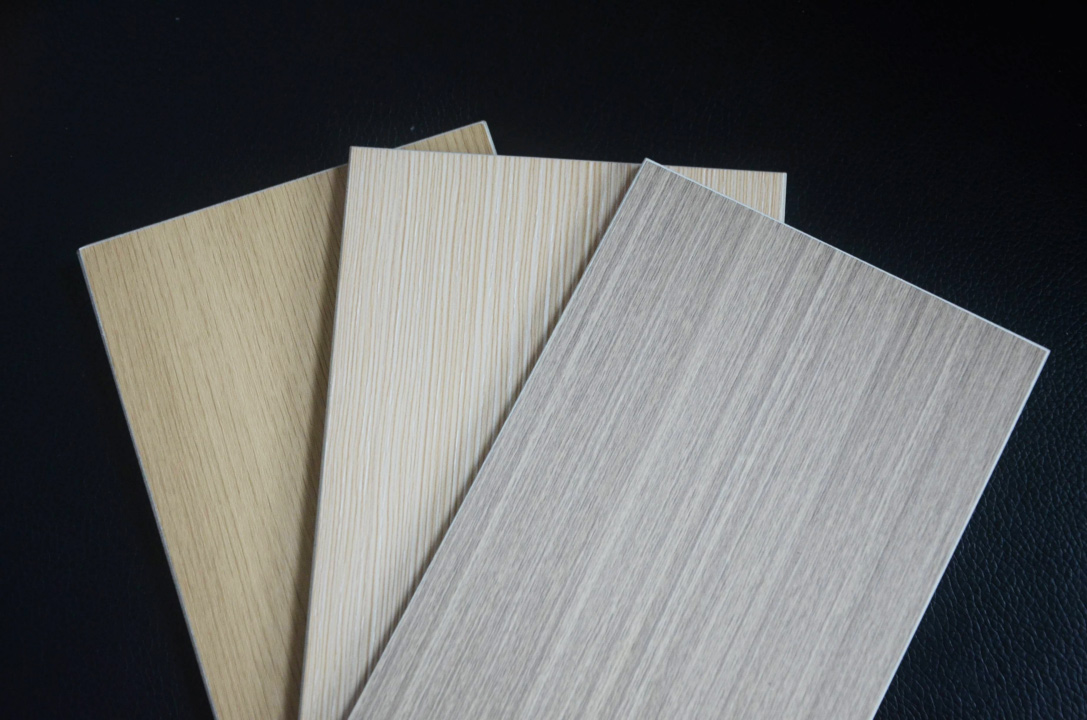
Eliminating secondary trades accelerates your critical path. You remove the taping, mudding, and painting stages. Site teams work faster. Fewer laborers complete the same square footage.
Framing Phase: Installers erect the structural studs.
Panel Installation: Crews mount the factory-finished panels directly.
Seam Treatment: Workers apply specified fire sealants only at the joints.
Immediate Progression: Other trades begin work instantly without waiting for coatings to cure.
This streamlined approach drastically cuts down total project duration. You dodge weather-related bottlenecks completely.
Inspectors scrutinize field-applied coatings closely. They use wet-film thickness gauges to check human work. Failures lead to costly rework. Factory-coated materials arrive with standardized batch testing. Submittals become a smooth process. You simply hand the UL documentation to the inspector. The data proves compliance instantly. This standardized approach prevents last-minute occupancy permit denials.
Buildings face daily abuse. Standard drywall degrades quickly in high-traffic corridors. Moisture ruins soft walls in industrial facilities. Frequent repairs drain maintenance budgets. Coated panels survive severe impacts. Their dense cores resist forklift bumps and cart strikes. The factory finish blocks moisture intrusion. You replace sections far less often. The physical longevity of the installation outlasts traditional alternatives by decades.
Your wall is only as strong as its seams. The board itself might hold an impressive rating. Poor seam treatment destroys the entire assembly rating. You must follow strict requirements. Installers must use fire-rated sealants. Specialized tapes are often mandatory. MEP (Mechanical, Electrical, Plumbing) penetrations require expert firestopping.
Clean all panel edges before applying any sealant.
Use only the manufacturer-specified intumescent caulking.
Ensure firestopping collars surround all PVC pipe penetrations.
Never substitute approved fire tape with standard drywall tape.
Site logistics matter deeply. Rough handling compromises factory coatings. Forklifts can scratch the protective layers during transit. Deep gouges expose the base substrate. These damages will void the fire rating. You cannot ignore them. Remediation requires manufacturer-approved patching compounds. Workers must inspect every panel before mounting. Store materials flat and cover them securely until installation day.
High-density core materials bring significant weight. MGO and fiber cement panels are heavy. They cause rapid installer fatigue. A two-man team handles less material per hour than they would with standard gypsum. You also need specialized tooling. Standard blades dull instantly against cementitious cores. Installers require carbide-tipped or diamond cutting tools. Dust collection becomes critical. You must equip your team with proper vacuums to manage heavy silica dust.
The local Authority Having Jurisdiction (AHJ) controls your project schedule. Some inspectors remain unfamiliar with proprietary pre-coated assemblies. They know standard gypsum inside and out. Unfamiliarity breeds suspicion. The inspector might pause work to research the product. You must conduct pre-approval meetings. Submit all technical data before breaking ground. Educate the AHJ early to prevent devastating inspection delays.
Determine your exact hourly rating needs. Does your project require a 1-hour or 2-hour wall? You must match the panel to a tested assembly detail. A board tested on steel studs behaves differently on wood framing. Verify the documentation. Ensure the manufacturer holds a specific design number matching your exact framing blueprint.
Filter your options by application context. Exterior sheathing demands high weather-resistive properties. It must survive freeze-thaw cycles and UV exposure. Interior partition walls focus purely on impact and fire limits. Do not use an interior-rated panel on an exterior envelope. The coating will fail under environmental stress.
Look beyond the invoice for the material. You must evaluate the total installation effort. Calculate the required material volume carefully. Factor in the specialized fasteners and proprietary sealants. Then, estimate the labor hours required for installation. Compare this total resource allocation directly against the traditional multi-step approach. You often find the upfront material premium pays off through massive labor hour reductions.
Phase | Action Required | Desired Outcome |
|---|---|---|
Phase 1: Compliance | Match UL Design Number to framing. | AHJ pre-approval secured. |
Phase 2: Environment | Check exterior vs interior rating. | Weatherability verified. |
Phase 3: Resources | Audit labor hours and sealant needs. | Efficient schedule mapped. |
Never specify a material based on a brochure. You must demand hard data. Request full UL evaluation reports directly from the manufacturer. Ask for ICC-ES evaluation reports. Review the warranty details thoroughly. Ensure the warranty covers both the substrate and the coating adhesion. This documentation forms your primary defense during building inspections.
Factory-finished panels present a highly effective solution for modern construction. They accelerate project schedules while meeting strict safety codes. The success of this approach depends on selecting the structurally appropriate core material. You must ensure your project demands justify the premium over standard Type X gypsum. Careful joint detailing remains the most critical installation factor. Your next steps require direct action. Review your specific architectural assembly details closely. Consult with a qualified fire protection engineer early in the design phase. Finally, request technical submittals and physical samples from manufacturers to build a localized mock-up.
A: Yes. You must use manufacturer-specified fasteners. They are typically corrosion-resistant. Installers must space them exactly according to the tested fire assembly documentation. Incorrect fasteners compromise the wall's structural endurance during a fire event.
A: You can cut panels on-site. However, cutting exposes the core material. You must treat, seal, or cover these raw edges. Installers typically cover edges with rated framing or approved mud to maintain the overall assembly integrity.
A: Standard MGO is naturally non-combustible. It forms a strong baseline. An intumescent coating adds an active layer of protection. This coating expands to insulate the substrate further. You need this active expansion for specific extreme-heat scenarios or to protect structural steel elements.
A: Inspectors will accept them if you provide proper documentation. You must submit certified, third-party testing reports. Ensure you provide a specific UL Design Number. The documentation must match your exact site installation methods perfectly.


