


Views: 0 Author: Site Editor Publish Time: 2026-07-06 Origin: Site


Sourcing robust materials often dictates whether a project meets its deadlines or stalls completely. Whether you engineer high-volume packaging or specify materials for commercial interiors, selecting the optimal finish is critical. Professionals frequently encounter ambiguous terminology when evaluating pre-finished substrates across different suppliers. Confusing a lightweight packaging layer with a heavy-duty construction panel introduces severe compliance failures, compromised moisture barriers, and frustrating operational delays. Getting the specification right ensures your final product withstands environmental stress and meets stringent regulatory standards.
We provide a clear roadmap to accurately evaluate these versatile substrates. We break down the exact differences between packaging formats and architectural options. You will discover how to match specific coating formulations to your precise performance benchmarks. Finally, we share proven strategies to help you mitigate supply chain risks and effectively short-list reliable manufacturing vendors.
Dual Applications: Pre coated board serves two primary sectors: high-barrier packaging (food, pharma) and rapid-deployment construction (pre-finished wall panels).
Performance vs. Sustainability: Selecting coatings (e.g., PE, aqueous, clay) requires balancing moisture/grease resistance against recyclability and environmental compliance.
Procurement Realities: Vendor selection must factor in Minimum Order Quantities (MOQs), substrate consistency, and verifiable certifications (FSC, FDA, or local building codes).
Cost Efficiency: While upfront costs are higher than uncoated alternatives, pre-coated boards reduce downstream processing, secondary finishing, and labor costs.
Buyers often face confusing terminology when talking to material suppliers. Clarifying the exact relationship between the base substrate and its outer coating represents your first step in a successful technical evaluation. We must clearly separate the two distinct definitions.
In the packaging sector, a Pre Coated Board usually refers to solid bleached sulfate (SBS) or recycled paperboard. Industrial mills treat these materials directly during production. They apply clay, polyethylene (PE), or advanced bioplastic layers to the paper core using massive extrusion coaters. The primary function of this treatment is dual-purpose. First, it dramatically enhances surface printability. Second, it boosts structural integrity while creating a necessary barrier against moisture and grease penetration.
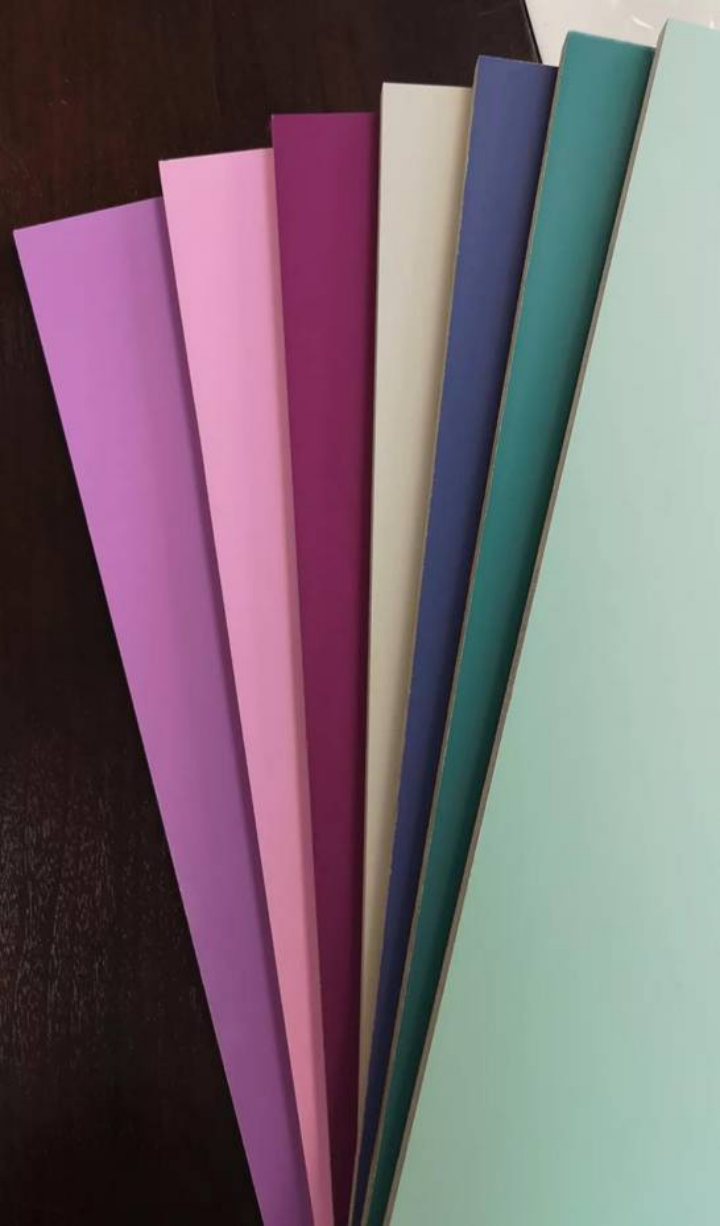
Conversely, the commercial building industry uses identical terminology for a completely different product class. A pre coated wall board consists of rigid panels manufactured from gypsum, cement, or engineered wood. Manufacturers pre-finish these heavy-duty cores using vinyl, PVC, or specialized waterproof membranes. Their primary function focuses heavily on operational speed. They eliminate the messy requirement for on-site mudding, taping, and painting. This innovation greatly accelerates project timelines during commercial interior fit-outs or modular architectural builds.
You must map your material choice to specific industry success criteria. Different sectors demand wildly different performance metrics from their substrates. Let us examine how distinct industries deploy these solutions.
Safety dictates every decision in this specific sector. Direct food contact requires absolute chemical safety alongside reliable liquid containment. You typically use PE-coated solid boards for frozen foods, dairy cartons, and wet takeout containers. Packaging engineers focus heavily on the Moisture Vapor Transmission Rate (MVTR). A low MVTR ensures the carton will not soften or collapse when exposed to severe condensation. We see this daily in frozen food aisles where constant temperature fluctuations continuously challenge the packaging integrity.
This sector prioritizes brand security and strict medical compliance. You need high-fidelity printability for critical regulatory labeling. Tamper-evident structural stability is absolutely non-negotiable. Buyers frequently specify clay-coated newsback (CCNB) or specialized SBS boards. These perfectly smooth surfaces support high-speed automated packaging lines without jamming delicate machinery. They hold fine ink details flawlessly. This ensures barcodes, ingredient lists, and critical expiration dates remain legible throughout the entire product lifecycle.
Architects face extreme pressure to deliver finished spaces faster. Severe labor shortages make traditional drywall finishing prohibitively slow. Moisture resistance and labor reduction drive the material choices here. Builders actively install pre-finished panels inside cleanrooms, commercial kitchens, and modular healthcare facilities. Local building codes strictly mandate sanitary, easy-to-clean surfaces in these regulated zones. A factory-finished panel bypasses multiple messy construction steps. Crews simply install the panels, seal the connecting joints, and immediately hand the sanitized room over to the client.
How do you assess feature-to-outcome metrics without falling for clever marketing claims? You need a reliable, evidence-based evaluation framework. The specific coating chemistry dictates the real-world performance limits of your chosen board.
Coating Formulation | Primary Barrier Function | Print Quality Support | Recyclability Profile |
|---|---|---|---|
Polyethylene (PE) | Excellent (Blocks moisture & grease) | Good (Requires specific inks) | Difficult (Requires specialized repulping) |
Aqueous & Bioplastic | Moderate to High | Very Good | Excellent (Compostable / Highly recyclable) |
Clay (Kaolin/TiO2) | Minimal (Visual enhancement only) | Excellent (Vibrant color holdout) | Standard (Normal paper recycling) |
PE remains an absolute workhorse for rigorous liquid containment applications.
Pros: It offers an exceptional moisture and grease barrier. It proves highly durable against physical abrasion and deep freezing cycles.
Cons/Risks: PE significantly complicates the end-of-life recycling process. Standard municipal facilities cannot process it effectively. It requires specialized repulping facilities to separate the fused plastic film from the paper fiber core.
Global sustainability mandates drive the rapid adoption of water-based and bioplastic alternatives.
Pros: These modern options are highly recyclable. Many formulations are fully compostable under industrial conditions. They align perfectly with strict corporate environmental goals.
Cons/Risks: You will routinely face higher upfront material costs. Furthermore, aqueous coatings may underperform in extreme temperature zones. They sometimes struggle against high-grease applications when compared directly to traditional PE barriers.
Clay treatments focus entirely on surface aesthetics and print performance.
Pros: Clay serves as the industry standard for superior ink holdout. It creates the smooth, brilliant white surface required for premium visual branding.
Cons/Risks: It offers minimal moisture protection. You specify clay strictly for visual and structural enhancement, never for raw liquid containment.
Every new material introduces distinct implementation realities and potential roadblocks. You must actively mitigate these specific risks before signing a bulk purchase order.
You cannot rely on verbal assurances from eager sales teams. For food packaging, you must verify explicit FDA or EFSA standard compliance for direct food contact. Always request the laboratory migration test results. In commercial construction, evaluating architectural panels requires reviewing independent fire ratings. You also need comprehensive off-gassing (VOC) data to ensure safe indoor air quality post-installation.
You must transparently assess all "eco-friendly" vendor claims. Evaluate a supplier's repulpability data against the actual municipal recycling capabilities in your target launch market.
Common Mistake: Assuming a material labeled "compostable" naturally breaks down in backyard garden bins. Most commercial bioplastics require high-heat industrial composting facilities to degrade properly.
Best Practice: Always demand third-party certifications. Look for the Biodegradable Products Institute (BPI) mark or similar regional equivalents to validate environmental claims.
Changing your base substrate fundamentally disrupts your existing production lines.
Tooling adjustments: Pre-coated surfaces dramatically affect your die-cutting, gluing, and sealing processes. A slick PE surface might force you to abandon cheap cold glue entirely. You will likely need to switch to aggressive hot melt adhesives to secure carton flaps.
Handling risks: High-gloss finishes face severe scuffing risks. Coating degradation easily occurs during transit if vendors improperly palletize the loads. You must audit their stretch-wrapping and corner-protection protocols rigorously.
Procurement teams need a skeptical, highly structured framework when shortlisting new manufacturing vendors.
Never commit to a bulk order without rigorous physical trials. You must request dedicated run-ability trials on your specific packaging lines. For architectural projects, mandate physical installation mock-ups on the job site. These real-world trials quickly reveal hidden friction points. They expose adhesive failures, folding cracks, or joint-sealing incompatibilities before you scale production.
Follow this structured checklist to systematically evaluate potential manufacturing partners:
Determine order thresholds: What are their standard MOQs for custom coating weights? If you only need a limited pilot run, massive volume requirements will instantly disqualify them.
Demand quality proof: Do they provide batch-to-batch consistency reports? Ask to see historical quality control data demonstrating their coating thickness variance over time.
Verify ethical sourcing: Can they provide unbroken chain-of-custody documentation? Valid FSC or PEFC certificates prove they genuinely support sustainable forestry practices.
You must move beyond calculating simple price-per-ton metrics. A higher quality board substantially reduces machine jamming and physical spoilage on your factory floor. It actively eliminates slow secondary processing steps. Ultimately, the right pre-finished substrate ensures a much faster time-to-market. These compounded operational gains heavily offset any initial material price premiums.
Choosing the right pre-coated material requires a careful, strategic balance. You must weigh your specific barrier needs against strict regulatory compliance and vital end-of-life environmental considerations. The fundamental distinction between a lightweight packaging substrate and a rigid structural panel forms the bedrock of a smart specification. High-performance surface treatments provide exceptional protection, but they demand precise adhesive selection and extremely careful supply chain handling.
We encourage buyers to aggressively audit their current material failure rates. Look closely at historical instances of packaging collapse or wall panel moisture damage. Calculate the true operational losses tied directly to these failures. Once you identify your critical weak points, initiate a targeted pilot test immediately. Select a certified supplier using the rigorous vetting criteria outlined above. A strategic material upgrade will streamline your production, protect your product integrity, and significantly boost your overall operational efficiency.
A: The primary difference lies in surface tension, barrier properties, and finishing costs. Uncoated boards have porous surfaces that absorb ink heavily and offer zero resistance to moisture. Coated boards feature engineered layers of clay, plastics, or biopolymers. These distinct layers trap ink on the surface for vibrant printing. They also block grease and water from compromising the structural core.
A: Yes, but it requires highly specialized infrastructure. Traditional paper recycling plants cannot process it because the robust plastic film clogs standard machinery. The material must go to advanced hydro-pulping facilities capable of separating the polyethylene layer from the virgin paper fibers. Regional availability for this specialized recycling remains quite limited globally.
A: It depends entirely on the substrate core material. A standard gypsum core will eventually fail if water penetrates the seams. However, panels utilizing cementitious cores or high-density engineered composites perform exceptionally well in heavy wet zones. You must use specialized, manufacturer-approved waterproof sealants on every joint to maintain the strict integrity of the installation.
A: MOQs depend heavily on the manufacturer's operational scale and your required customization level. Standard catalog items might only require a few mixed pallets. However, if you specify custom coating weights or highly specialized barrier formulations, factories usually measure minimums in full metric tons or dedicated truckloads to justify resetting their massive production lines.


